


Important Update: UAN Generation Must Now Be Done via UMANG App Not By Employers

The Employees’ Provident Fund Organisation (EPFO) has introduced a new mandate that changes how Universal Account Numbers (UAN) are assigned. Earlier, employers handled UAN creation during onboarding. This option is now withdrawn. UAN Allotment via UMANG App has been declared the only valid method for generating new UANs, making employees solely responsible for the process. Employees must personally complete their UAN generation through the UMANG App using Aadhaar-based Face Authentication to validate their identity. What Exactly Has Changed? In the past, HR departments had access to the EPFO employer portal to create UANs for their employees. This manual process was prone to data entry mistakes and unauthorized allocations. With the new update, EPFO has shifted this responsibility directly onto the employee, who must complete the UAN Allotment via UMANG App independently. Organizations no longer have backend access to generate UANs for their staff. Reasons Behind This Change to UAN Allotment via UMANG App EPFO’s decision is aimed at making the system more secure, accurate, and transparent. Here are the key reasons why this change was enforced: How Can Employees Allot Their UAN via UMANG App? (Rewritten for 0% Plagiarism) For those who need to generate a new UAN, here’s how you can complete the process through UMANG App: This method ensures a verified, secure, and self-managed process for creating a UAN. Common Issues Faced by Employers and Employees While the system ensures improved security, it has posed some practical challenges: Despite several queries being raised by organizations, EPFO has confirmed that UAN Allotment via UMANG App will be the only official route for new UANs until further notice. Key Points You Must Remember Impact on HR Teams and Onboarding Processes This update necessitates that HR departments adapt their onboarding processes to align with the new EPFO guidelines. HR teams must now include a walkthrough of UAN Allotment via UMANG App during employee induction and provide necessary support to employees unfamiliar with mobile applications. Compliance teams should also verify that UAN allotment is completed before initiating Provident Fund contributions and salary processing. Conclusion: Moving Towards a Digital, Employee-Driven UAN Process The shift to UAN Allotment via UMANG App marks a significant step towards a digitized, transparent, and secure Provident Fund system. While this change might pose initial challenges for companies and employees, it ultimately ensures accurate data handling and gives employees full control over their UAN. Organizations need to proactively assist their workforce in navigating this new self-managed system. With the right approach, this transition can be smooth and beneficial, leading to a more robust and error-free Provident Fund management experience. Download Notification
Maharashtra Minimum Wages (July-December 2025): A Simple Guide for Workers and Employers
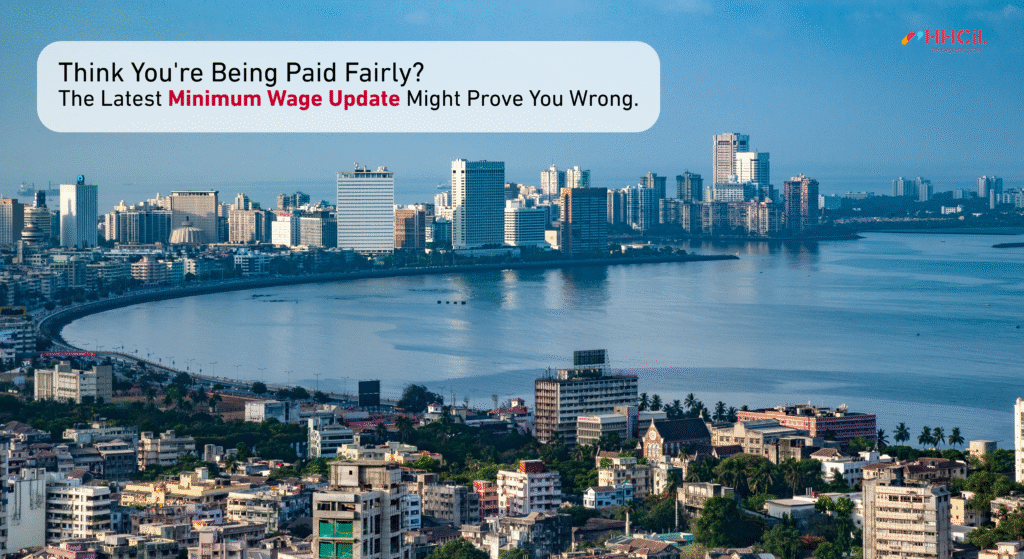
If you are working in Maharashtra or managing a business with employees, there’s an important update you need to know. Starting from 1st July 2025, the Maharashtra government has announced revised minimum wages for various industries and job roles. These rates will be in effect till 31st December 2025. This isn’t just a technical update in government records. These wages directly impact your salary (if you’re an employee) and define your legal obligations (if you’re an employer). So, whether you are a fresher joining your first job or a business owner ensuring compliance, this update affects you. Let’s break it down in a way that’s simple, clear, and directly useful. What is the Maharashtra Minimum Wages Act? The Minimum Wages Act, 1948 was created to protect workers. It ensures that no employee is paid less than the basic cost of living for the work they perform. In Maharashtra, the government periodically revises these wages considering: The updated rates are mandatory for all businesses that fall under the list of scheduled employment. How are Maharashtra Minimum Wages Structured? Minimum wages are not just a single figure. They are divided into two parts: When combined, these two amounts form your Total Minimum Wage (एकूण किमान वेतन). Zone-wise Wage Categories in Maharashtra Not every region in Maharashtra has the same cost of living. So, the government has divided the state into three wage zones: This means a worker performing the same job in Mumbai (Zone 1) will legally earn more than someone in a smaller town (Zone 2) or a rural area (Zone 3). This zoning ensures fairness, considering differences in expenses across regions. Skilled, Semi-Skilled, and Unskilled – What’s the Difference? Your minimum wage also depends on how your job is classified: Each of these categories has different wage rates under the Maharashtra Minimum Wages notification. For example: Industries Covered in the Maharashtra Minimum Wages Notification This notification applies to a wide range of industries and businesses, including: If your business or job role falls under these industries, these wages are mandatory and not optional. Why Should Workers Care About This? If you are an employee, this wage structure defines: If you notice that your salary is below these notified rates, you can raise a complaint with the Labour Commissioner’s Office. This Act is designed to safeguard workers, especially those in entry-level or blue-collar jobs, from being underpaid. Why Employers Must Take This Seriously For employers, this isn’t just a guideline it’s a legal requirement. Non-compliance can result in: Employers must ensure that: Common Mistakes to Avoid What Happens if You Don’t Comply? For Employees: For Employers: Conclusion: Be Aware. Stay Compliant. The Maharashtra Minimum Wages (July-December 2025) notification is more than a set of numbers. It is a legal and ethical benchmark that ensures fair wages for workers and legal compliance for businesses. As an employee, it empowers you with the right to fair pay. As an employer, it protects your business from compliance risks and helps maintain a healthy work environment. If you are unsure about the wage rates applicable to you or your business, it is recommended to consult a labor law expert or reach out to the Labour Department for clarity. Maharashtra Minimum Wages are not optional. They are your right. Know them, demand them, and respect them. Download Notification
What You Need to Know About the Jharkhand Revised Minimum Wage (Effective April 2025)
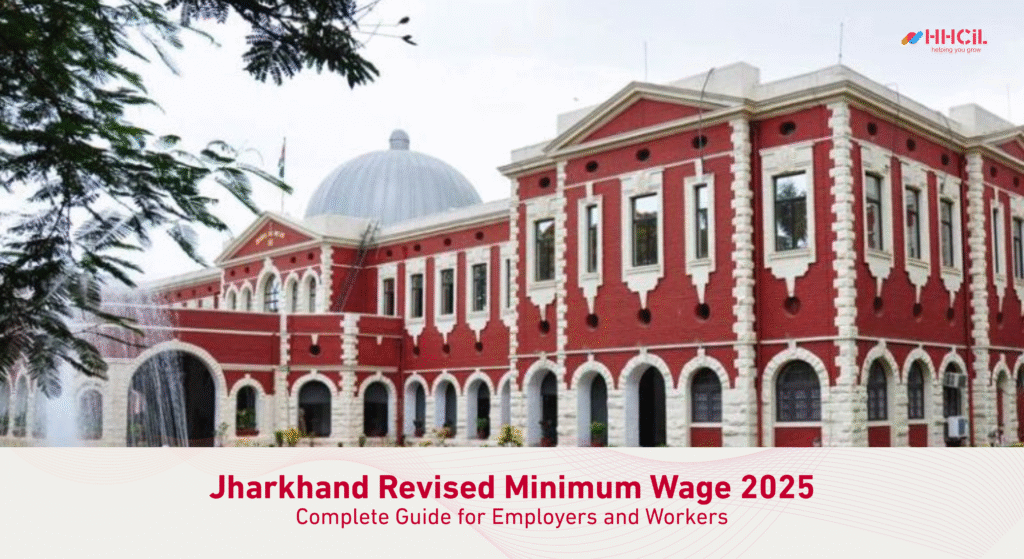
Starting April 1, 2025, the Government of Jharkhand is rolling out revised minimum wage rates for all categories of workers. If you’re a business owner, employee, or HR professional, it’s important to understand what’s changing and why this matters. This move is aimed at ensuring fair pay aligned with the current economic conditions. Area-Wise Classification The Jharkhand revised minimum wage notification classifies all regions in the state into three categories: This classification helps determine appropriate wage levels based on the economic profile of each area. Revised Daily Wage Rates (No Table Needed) Wage rates vary depending on the skill level of the worker — Unskilled, Semi-Skilled, Skilled, or Highly Skilled — and the area category. For example: These daily rates have been calculated to reflect both local living costs and inflation. What About Monthly Wages? The monthly wages under the Jharkhand revised minimum wage have also been revised. These are calculated using a standard multiplier of 26 working days. Some key examples: This monthly format is especially relevant for employers using fixed payroll systems. Wage Components Explained Each wage structure includes two parts: This format ensures that workers are protected against rising inflation while maintaining base wage security. What the Law Says The Jharkhand revised minimum wage structure also reinforces key worker rights: FAQs About the Jharkhand Revised Minimum Wage 1. Who is eligible under this new wage structure?Every worker employed in Jharkhand — regardless of contract type — is eligible if they fall under scheduled employment. 2. How often is the Variable Dearness Allowance updated?The VDA is updated periodically based on inflation data, typically using the Consumer Price Index from the preceding months. 3. What if an employer fails to comply?Non-compliance is considered a legal violation and can be reported to the Labour Commissioner’s Office. 4. How do I know my area’s wage category?Your HR team or local administration can clarify if your workplace falls under A, B, or C category. Final Takeaway The Jharkhand revised minimum wage is a much-needed update that considers current inflation and regional disparities in cost of living. It ensures workers are paid fairly, and employers remain compliant with labor laws. Whether you’re a skilled technician in a metro or a helper in a rural area, this new wage policy promises greater financial protection. If you’re an HR leader or business owner, now’s the time to adjust your payroll and inform your team. For workers, it’s your right to know and receive what you’re entitled to. Fair wages aren’t just a number — they’re a step toward dignity at work. Download Notification
ESIC’s New Amnesty Scheme 2025: A Legal Relief Window for Employers and Insured Individuals

The Employees’ State Insurance Corporation (ESIC) has rolled out the New Amnesty Scheme 2025 to help employers and insured persons resolve pending legal matters efficiently. This one-time relief initiative, approved during the Corporation’s 196th meeting, aims to cut down court proceedings and encourage out-of-court compliance. Here, we’ll explore the scheme’s eligibility, coverage, and process. If you’re an employer or an insured person with unresolved ESIC disputes, this may be your best opportunity to close the case with minimal penalties and without lengthy litigation. Understanding the New Amnesty Scheme 2025 The New Amnesty Scheme 2025 is a structured settlement window available from October 2025 to September 2026. It is designed to handle disputes under Sections 75, 82, 84, 85, and 85A of the ESI Act, 1948, along with certain constitutional petitions filed under Article 226. Who can benefit? Major Provisions Under the Scheme Legal Disputes Regarding Coverage (Sections 75 & 82) Eligible Units: Conditions: Contribution-Related Disputes If an employer disagrees with the contribution assessment under Section 45A or 45AA, they must: Cases Filed Against Insured Persons (Section 84) For insured persons involved in cases of excess benefit claims through false declarations: Resolution Terms: Criminal Prosecution of Employers (Sections 85 and 85A) Employers with active cases under these sections can avail of the scheme if: Extended Coverage Under the Scheme Legacy Cases (Section 85 (a & g)) Failure to Submit Contribution Returns (Section 85(e)) Delays in Declaration Submission Why This Scheme Matters for Businesses Here’s why employers and insured individuals should consider opting in: Step-by-Step Guide to Avail Amnesty Additional Provisions and Incentives Conclusion The New Amnesty Scheme 2025 by ESIC represents a progressive approach to resolving compliance disputes. With the focus on simplification and goodwill, it eliminates the burden of litigation while promoting regulatory harmony. If your business or you as an insured person have unresolved ESIC matters, this is your chance to close them transparently and affordably. Avoid legal complexities — act before 30 September 2026 and leverage this opportunity for a fresh start. Download Notification
Contract Staffing Models That Work Best for Retail Brands

Retail businesses run at a fast pace, with seasonal highs and changing workforce needs. Whether you’re opening new stores, running a sale, or managing high footfall, having the right staff at the right time is crucial. This is why many brands are turning to contract staffing. In this blog, we’ll explore the best contract staffing models for retail businesses, helping you understand which model fits your operations best. Why Retail Needs Flexible Staffing Retail operations change quickly. Staff needs may rise in festive seasons or fall during quiet periods. Hiring full-time employees for short-term needs often leads to high overheads. Contract staffing offers: Understanding the best contract staffing models for retail businesses can help brands match staffing to sales cycles. Top 5 Contract Staffing Models for Retail 1. Seasonal or Peak Period Hiring This model works best when staffing needs increase during festivals, promotions, or end-of-season sales. Best for: Advantages: This is one of the best contract staffing models for retail businesses focused on short-term sales events. 2. Project-Based Staffing When launching a new store or rolling out a POS upgrade, this model lets you hire experts for specific projects. Best for: Advantages: Project-based staffing gives retail teams extra support for one-time goals without adding to permanent headcount. 3. Third-Party Payroll Staffing Here, staff work for your brand but are employed and managed by a staffing agency. This reduces legal and compliance burden on your in-house HR. Best for: Advantages: This third-party payroll Staffing model is among the best contract staffing models for retail businesses managing stores across multiple cities. 4. Temp-to-Hire Staffing Retailers often use this model to evaluate performance before offering permanent roles. Best for: Advantages: It’s ideal when you want reliable full-time staff but need a test period to assess the fit. 5. Floating Pool Support In this model, agencies maintain a ready-to-deploy pool of trained staff to cover absences or unexpected demand. Best for: Advantages: Among the best contract staffing models for retail businesses, floating pools are perfect for emergency or backup needs. Choosing the Right Staffing Model Ask yourself: Matching your answers with the right model will lead to better hiring outcomes. FAQs What is contract staffing in retail? Contract staffing allows retail brands to hire employees on a fixed-term basis for specific roles or durations, without permanent commitments. Is third-party staffing legal in India? Yes, when done through a licensed staffing agency that complies with labor laws such as CLRA, ESI, and PF regulations. How quickly can staff be deployed? Many staffing agencies offer deployment within 48–72 hours, especially if a pre-screened pool is maintained. Do contract workers receive benefits? Yes, if the staffing agency is compliant, workers are covered under ESI, PF, and other statutory benefits. Conclusion Retail staffing needs are never static. That’s why understanding the best contract staffing models for retail businesses is essential. Whether you need short-term help, project support, or long-term team building there’s a staffing model for every stage of your retail journey. If you’re looking to streamline your retail hiring, Hitech Human Capital India Ltd offers expert contract staffing solutions across India. With over 200 cities covered and a strong retail hiring track record, we help brands get the right people, in the right place, at the right time. Enquire now to build your ideal retail workforce.