


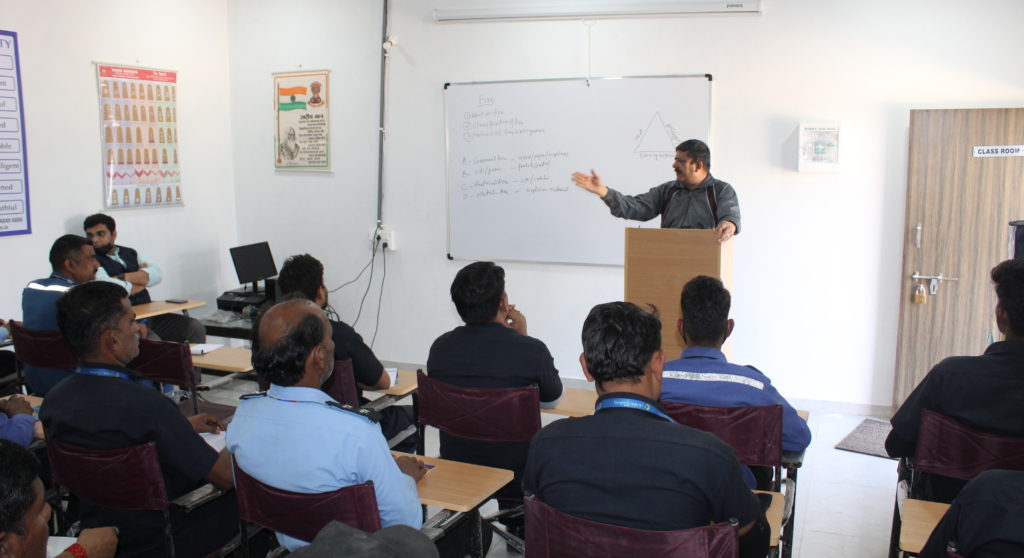
India’s factories and logistics hubs are expanding at a rapid pace, but growth on paper does not always translate into efficiency on the ground. One of the biggest reasons is the shortage of job-ready skills. Many organisations discover that while manpower is available, trained manpower is not. This is exactly where industrial training services become essential. Within the first few months of operations, gaps in skills begin to affect productivity, safety, quality, and delivery timelines. Structured industrial training helps convert an available workforce into a capable one.
Understanding the Real Skill Gap Problem
The skill gap in manufacturing and logistics is not created overnight. It has developed over years due to a mismatch between education, industry needs, and technological change.
Some of the most common reasons include:
- Educational programs with limited hands-on exposure
- Rapid changes in machinery, tools, and processes
- High dependence on contract and temporary workforce
- Inconsistent safety awareness at shop-floor level
- Pressure to meet output targets without adequate training time
As a result, businesses often face repeated errors, accidents, machine downtime, and quality rejections.
What Industrial Training Services in India Focus On
Industrial training today goes far beyond classroom lectures. Professional industrial training services in India are designed around real job roles and actual work conditions.
Foundational Skill Development
- Basic machine operation and handling
- Understanding shop-floor discipline
- Workplace safety and hazard awareness
- Standard operating procedures and reporting
Job-Specific Skill Training
Training is customised based on operational roles such as:
- Production line workers
- Machine operators and helpers
- Warehouse and logistics staff
- Equipment and material handling teams
- Supervisory and floor-level coordinators
This role-based structure ensures that training directly improves on-the-job performance.
Why Industrial Training Delivers Measurable Results
Many organisations hesitate to invest in training because the benefits are not always immediate. However, businesses that implement structured training consistently see measurable improvements.
Higher Productivity Levels
Trained workers understand processes clearly and perform tasks with greater confidence, leading to smoother operations and better output.
Improved Safety Records
Manufacturing plants and warehouses are accident-prone environments. Proper training significantly reduces workplace injuries and safety violations.
Faster Workforce Stabilisation
When workers are trained before or immediately after deployment, they settle into roles faster and require less supervision.
Reduced Attrition
Employees who feel capable and supported are less likely to leave, which helps companies control hiring and replacement costs.
Manufacturing Sector: Where Training Shapes Performance
Modern manufacturing is process-driven. Even small mistakes can disrupt the entire production cycle.
Key Manufacturing Training Areas
- Machine safety and operational discipline
- Quality checkpoints and defect prevention
- Preventive maintenance awareness
- Lean practices and waste reduction
- Coordination across shifts and teams
Training helps workers understand not just their task, but how their role fits into the larger production system.
Logistics and Warehousing: Skills That Keep Supply Chains Moving
Logistics operations depend on speed, accuracy, and coordination. Untrained staff can quickly create bottlenecks.
Core Logistics Training Components
- Warehouse layout understanding
- Inventory handling and storage practices
- Use of scanners and basic digital systems
- Safe loading, unloading, and stacking methods
- Dispatch accuracy and documentation basics
Well-trained logistics teams improve order fulfilment rates and reduce losses caused by errors or damage.
On-Site vs Centralised Training Models
Choosing the right training model depends on business needs, workforce size, and timelines.
On-Site Training Advantages
- Training happens in the actual work environment
- Workers learn using real machines and tools
- Faster application of learning to daily tasks
- Minimal disconnect between theory and practice
Centralised or Off-Site Training Advantages
- Useful for basic or entry-level skill building
- Controlled learning environment
- Easier to train large batches together
Many organisations now follow a blended approach, combining both methods for better results.
Role of Technology in Industrial Training Services India
Industrial training has evolved with technology. Traditional chalk-and-talk methods are no longer enough.
Modern Training Enhancements
- Visual instructions and process videos
- Mobile-based assessments and learning modules
- Supervisor-led coaching on the shop floor
- Performance tracking and feedback systems
These methods help standardise training quality across locations and improve retention of knowledge.
How to Identify a Reliable Industrial Training Partner
Not all training providers understand industrial realities. Selecting the right partner makes a significant difference.
What Businesses Should Evaluate
- Experience in manufacturing and logistics sectors
- Ability to customise training for specific roles
- Strong focus on safety and compliance
- Capacity to train large and distributed teams
- Support beyond training, including monitoring and feedback
Training should always be aligned with operational outcomes, not just completion certificates.
Frequently Asked Questions
Are industrial training services India useful for small companies?
Yes. Small and mid-sized units often benefit the most because even minor improvements in efficiency and safety have a big impact on costs.
How long does industrial training take?
Duration depends on the role and complexity of work. Basic training may take a few days, while specialised roles require longer on-the-job learning.
Can training be conducted in local languages?
Yes. Effective industrial training services India adapt content to regional languages and workforce profiles.
Does training really reduce operational risks?
Absolutely. Trained workers are less likely to make errors, ignore safety rules, or damage equipment.
Conclusion
India’s manufacturing and logistics growth depends not just on infrastructure and investment, but on people who can operate within complex, fast-moving environments. Industrial training services in India help close the gap between available labour and industry-ready skills, enabling organisations to grow without compromising safety, quality, or efficiency.
Companies that treat training as a strategic investment build stronger, more reliable operations over time. Organisations such as Hitech Human Capital India Ltd recognise this need and focus on delivering industry-aligned training that prepares workforces to meet real-world manufacturing and logistics challenges with confidence and consistency.