


The Role of Recruitment Process Outsourcing (RPO) in Scaling High-Growth Companies

High-growth companies move fast. New markets open, funding arrives, and teams are expected to scale almost overnight. In this environment, hiring becomes a growth engine or a serious bottleneck. This is where the recruitment process outsourcing India is increasingly playing a critical role. Instead of struggling with internal bandwidth, high-growth organizations are turning to RPO partners to build talent pipelines that scale as quickly as the business itself. In fast-moving economies like India, where competition for skilled talent is intense, RPO is no longer just a cost-saving tactic. It has become a strategic lever for sustainable expansion. Why hiring becomes a challenge during rapid growth When companies grow at speed, recruitment pressure builds from multiple directions at once. Leadership teams often underestimate how complex hiring becomes at scale. Common growth-stage hiring challenges include: Internal HR teams, designed for steady-state hiring, often struggle to keep up. This mismatch between growth ambition and hiring capability is exactly where RPO steps in. Understanding Recruitment Process Outsourcing in Practical Terms Recruitment process outsourcing is a model where an organization transfers part or all of its recruitment activities to an external specialist. Unlike staffing agencies that focus on filling individual roles, RPO partners take ownership of the recruitment lifecycle. This can include: For high-growth companies, the real value lies not just in execution, but in the structure and predictability RPO brings to hiring. How Recruitment Process Outsourcing India Supports Scale The Indian talent ecosystem is both vast and complex. Companies scaling here must deal with regional diversity, skill gaps, and intense competition for top performers. Recruitment process outsourcing India helps navigate these realities with local expertise and scalable systems. Speed without sacrificing quality Growth-stage businesses often fear that faster hiring means weaker hires. RPO providers solve this by building standardized processes that maintain quality even at high volumes. Pre-defined screening frameworks and talent pools reduce rushed decisions. Flexible hiring models One of the biggest advantages of RPO is adaptability. Hiring needs are rarely linear in high-growth environments. RPO models allow companies to scale recruitment teams up or down without long-term overheads. Access to wider talent networks RPO partners bring established sourcing channels, databases, and referral networks. This is especially valuable when hiring for specialized or leadership roles that internal teams may not have access to. Strategic Advantages Beyond Filling Roles RPO is often misunderstood as purely operational. In reality, it delivers long-term strategic value to growing organizations. Data-driven hiring decisions RPO partners track recruitment metrics consistently. This allows leadership to see: With this data, companies can refine workforce planning and align hiring with business forecasts. Stronger employer branding Candidate experience matters more during growth than most companies realize. RPO teams ensure consistent communication, structured interviews, and timely feedback. Over time, this strengthens employer reputation in the market. Reduced leadership distraction Founders and senior leaders in high-growth companies often spend disproportionate time on hiring. With RPO handling execution, leadership can refocus on strategy, customers, and revenue growth. When high-growth companies should consider RPO Not every organization needs RPO from day one. However, certain signals indicate the right time to adopt this model. These include: At this stage, recruitment process outsourcing India becomes less of an option and more of a necessity. RPO vs traditional hiring models Understanding the difference helps decision-makers choose wisely. Traditional in-house hiring: Staffing agencies: RPO model: For companies planning aggressive growth, RPO offers a balance of control, speed, and consistency. The Unique Indian Context and RPO’s Role India’s workforce spans diverse languages, regions, and skill levels. High-growth companies often underestimate the operational complexity of hiring across this landscape. RPO providers with local expertise help standardize recruitment while respecting regional nuances. This includes: These factors make recruitment process outsourcing India particularly relevant for businesses expanding nationally. Frequently asked questions Yes, especially for startups entering rapid growth phases. RPO provides structure without the cost of building large internal teams. No. RPO complements HR by handling recruitment execution, while internal teams focus on culture, engagement, and retention. Absolutely. Many companies start with RPO for specific departments, roles, or regions and expand gradually. Most organizations notice improvements in hiring speed and quality within the first few months of implementation. Closing thoughts on scaling with confidence Scaling a high-growth company is never just about ambition, it is about execution. Talent remains the most critical driver of sustainable growth, and recruitment can no longer be managed reactively. By adopting the recruitment process outsourcing India, companies gain the structure, speed, and insight needed to hire with confidence. Organizations that partner with experienced providers like Hitech Human Capital India Ltd are better positioned to align hiring with business strategy, ensuring that growth is supported by the right people at the right time.
Industrial Training Services in India: Closing the Skill Gap in Manufacturing and Logistics
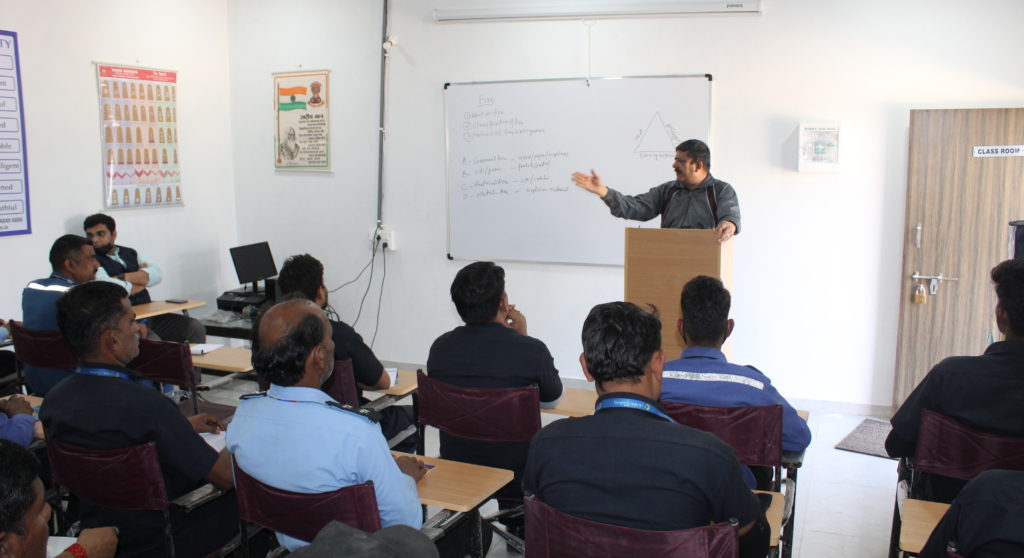
India’s factories and logistics hubs are expanding at a rapid pace, but growth on paper does not always translate into efficiency on the ground. One of the biggest reasons is the shortage of job-ready skills. Many organisations discover that while manpower is available, trained manpower is not. This is exactly where industrial training services become essential. Within the first few months of operations, gaps in skills begin to affect productivity, safety, quality, and delivery timelines. Structured industrial training helps convert an available workforce into a capable one. Understanding the Real Skill Gap Problem The skill gap in manufacturing and logistics is not created overnight. It has developed over years due to a mismatch between education, industry needs, and technological change. Some of the most common reasons include: As a result, businesses often face repeated errors, accidents, machine downtime, and quality rejections. What Industrial Training Services in India Focus On Industrial training today goes far beyond classroom lectures. Professional industrial training services in India are designed around real job roles and actual work conditions. Foundational Skill Development Job-Specific Skill Training Training is customised based on operational roles such as: This role-based structure ensures that training directly improves on-the-job performance. Why Industrial Training Delivers Measurable Results Many organisations hesitate to invest in training because the benefits are not always immediate. However, businesses that implement structured training consistently see measurable improvements. Higher Productivity Levels Trained workers understand processes clearly and perform tasks with greater confidence, leading to smoother operations and better output. Improved Safety Records Manufacturing plants and warehouses are accident-prone environments. Proper training significantly reduces workplace injuries and safety violations. Faster Workforce Stabilisation When workers are trained before or immediately after deployment, they settle into roles faster and require less supervision. Reduced Attrition Employees who feel capable and supported are less likely to leave, which helps companies control hiring and replacement costs. Manufacturing Sector: Where Training Shapes Performance Modern manufacturing is process-driven. Even small mistakes can disrupt the entire production cycle. Key Manufacturing Training Areas Training helps workers understand not just their task, but how their role fits into the larger production system. Logistics and Warehousing: Skills That Keep Supply Chains Moving Logistics operations depend on speed, accuracy, and coordination. Untrained staff can quickly create bottlenecks. Core Logistics Training Components Well-trained logistics teams improve order fulfilment rates and reduce losses caused by errors or damage. On-Site vs Centralised Training Models Choosing the right training model depends on business needs, workforce size, and timelines. On-Site Training Advantages Centralised or Off-Site Training Advantages Many organisations now follow a blended approach, combining both methods for better results. Role of Technology in Industrial Training Services India Industrial training has evolved with technology. Traditional chalk-and-talk methods are no longer enough. Modern Training Enhancements These methods help standardise training quality across locations and improve retention of knowledge. How to Identify a Reliable Industrial Training Partner Not all training providers understand industrial realities. Selecting the right partner makes a significant difference. What Businesses Should Evaluate Training should always be aligned with operational outcomes, not just completion certificates. Frequently Asked Questions Are industrial training services India useful for small companies? Yes. Small and mid-sized units often benefit the most because even minor improvements in efficiency and safety have a big impact on costs. How long does industrial training take? Duration depends on the role and complexity of work. Basic training may take a few days, while specialised roles require longer on-the-job learning. Can training be conducted in local languages? Yes. Effective industrial training services India adapt content to regional languages and workforce profiles. Does training really reduce operational risks? Absolutely. Trained workers are less likely to make errors, ignore safety rules, or damage equipment. Conclusion India’s manufacturing and logistics growth depends not just on infrastructure and investment, but on people who can operate within complex, fast-moving environments. Industrial training services in India help close the gap between available labour and industry-ready skills, enabling organisations to grow without compromising safety, quality, or efficiency. Companies that treat training as a strategic investment build stronger, more reliable operations over time. Organisations such as Hitech Human Capital India Ltd recognise this need and focus on delivering industry-aligned training that prepares workforces to meet real-world manufacturing and logistics challenges with confidence and consistency.
High-Paying Contract Roles in India You Should Know About

The market for high paying contract jobs in India has changed dramatically over the last few years. Contract work is no longer limited to short-term support roles or temporary staffing gaps. Today, organisations actively rely on experienced contract professionals to handle mission-critical projects, manage transformations, and bring in specialised expertise that permanent teams may not have. For professionals, this shift has opened up opportunities to earn higher compensation, work on diverse assignments, and maintain greater control over their careers. Contract roles are now a conscious career choice for many mid-level and senior professionals across industries. Why Contract Roles Command Higher Pay in India One of the main reasons contract roles pay more is urgency. Companies hire contract talent when outcomes matter more than long-term headcount. Whether it is a system rollout, regulatory compliance deadline, or business expansion, employers are willing to pay a premium for professionals who can deliver quickly. Another factor is skill scarcity. Niche expertise in areas like advanced technology, risk management, or specialised engineering is not always available internally. Hiring contractors helps businesses bridge this gap without long onboarding cycles. Finally, contract professionals usually operate without traditional employee benefits. Higher pay compensates for this difference and reflects the value they bring in a limited time frame. High Paying Contract Jobs in India by Sector Technology and Digital Transformation Roles Technology-driven projects contribute significantly to the growth of high-paying contract opportunities. Professionals working as cloud architects, cybersecurity specialists, data engineers, and enterprise system consultants are in constant demand. These roles are often linked to cloud migrations, system integrations, data modernisation, and security strengthening initiatives. Companies prefer contract-based tech experts because these projects have defined timelines and require advanced skills that evolve quickly. Experienced professionals in this space often earn more on contracts than in permanent roles. Finance, Audit, and Compliance Roles Frequent regulatory changes and increased focus on governance have created strong demand for finance and compliance professionals on a contract basis. Roles such as risk advisors, internal audit consultants, tax specialists, and compliance professionals are commonly hired for fixed durations. These professionals help organisations stay aligned with regulations, manage financial risks, and strengthen internal controls. Because errors in these areas can be costly, organisations prioritise experience over cost, leading to better pay for contract professionals. Engineering, Manufacturing, and Infrastructure Roles Large-scale projects in construction, manufacturing, and infrastructure rely heavily on contract expertise. Project management consultants, quality auditors, safety specialists, and process engineers are often engaged for specific project phases. These roles involve high responsibility and technical depth, which directly impacts compensation levels. Professionals with experience in managing complex projects or implementing process improvements often find contract roles financially rewarding. Healthcare and Life Sciences Consulting Roles Healthcare organisations increasingly depend on contract professionals to manage operational improvements and regulatory compliance. Contract roles in clinical research, healthcare IT implementation, regulatory affairs, and hospital operations are well compensated due to their specialised nature. These professionals help institutions adapt to evolving healthcare standards, technology upgrades, and compliance requirements. Short-term expertise reduces long-term risk for organisations, making contract hiring a preferred option. Skills That Drive Higher Contract Earnings Not every contract role pays well. High compensation is usually linked to specific skill characteristics. Professionals earning premium contract pay typically possess: Continuous learning and industry relevance play a major role in maintaining high earning potential. Why Employers Choose Contract Talent Over Permanent Hiring From a business perspective, hiring high-paying contract professionals is a strategic decision rather than a cost-saving measure. Contract hiring allows organisations to: These advantages explain why high paying contract jobs in India are becoming central to workforce planning across industries. Contract Roles vs Permanent Roles: Pay Reality In many cases, contract professionals earn significantly higher monthly compensation than permanent employees performing similar work. While permanent roles offer stability and benefits, contract roles offer higher immediate earnings and faster exposure to varied projects. For experienced professionals, contracts can also strengthen resumes by showcasing diverse industry exposure and results-driven assignments. How Professionals Can Access High-Paying Contract Opportunities Success in the contract job market requires a focused approach. Key actions include: Professionals who position themselves as solution providers rather than job seekers tend to secure better-paying assignments. FAQs Conclusion The rise of high paying contract jobs in India reflects a broader change in how organisations approach talent. Contract roles now offer competitive earnings, professional flexibility, and meaningful work across industries. For professionals willing to adapt and specialise, contracting can be both financially rewarding and career-enhancing. Organisations such as Hitech Human Capital India Ltd support this evolving workforce model by enabling compliant, structured, and scalable contract staffing solutions. As businesses continue to prioritise agility and expertise, contract roles will remain a powerful option for professionals seeking growth and impact.
Why Upskilling Is the Key to Faster Career Growth in 2026 | Importance of Upskilling

Career growth in 2026 looks very different from what it was even a few years ago. Job roles are evolving faster, skill requirements are shifting constantly, and professionals can no longer rely on degrees or past experience alone. This is where the importance of upskilling becomes impossible to ignore. Upskilling is no longer optional; it is the most reliable way to stay relevant, increase earning potential, and move ahead faster in one’s career. In the first few years of a career, learning often happens automatically on the job. But as industries adopt automation, AI, and data-driven decision-making, growth depends on how intentionally professionals upgrade their skills. Those who invest in learning today are the ones who will lead teams, switch roles confidently, and unlock better opportunities in 2026. The Changing Career Landscape in 2026 Workplaces in 2026 are shaped by speed and adaptability. Companies are hiring for skills rather than just job titles. Roles are becoming hybrid, combining technical knowledge with problem-solving, communication, and digital fluency. Some major shifts professionals are already experiencing include: In this environment, career growth slows down for those who stop learning. On the other hand, people who continuously build new capabilities move ahead faster, even in competitive industries. Why the Importance of Upskilling Is Higher Than Ever Upskilling directly impacts employability, performance, and confidence. It allows professionals to respond to market changes instead of reacting late. Key reasons why upskilling matters so much in 2026 include: The importance of upskilling lies in its ability to future-proof careers. It helps individuals stay one step ahead rather than struggling to catch up when roles change or disappear. How Upskilling Accelerates Career Growth Upskilling does not just help someone keep their job. It actively speeds up career progress. Here is how continuous learning leads to faster growth: When professionals proactively build skills, they become valuable assets rather than replaceable resources. Skills That Will Matter Most in 2026 While every industry has its own priorities, some skill categories are becoming universally important. Technical and digital skills Human and leadership skills Career resilience skills Focusing on a mix of technical and human skills strengthens long-term career prospects. Upskilling vs Reskilling: Understanding the Difference Upskilling and reskilling are often used interchangeably, but they serve different purposes. In 2026, both are important, but upskilling is the fastest route to growth for professionals who want promotions, leadership roles, or specialization within their field. Common Barriers to Upskilling and How to Overcome Them Many professionals understand the importance of upskilling but struggle to take action. Common challenges include: These barriers can be overcome by: How Employers View Upskilling in 2026 From an employer’s perspective, employees who invest in learning are seen as future leaders. They are more adaptable, easier to train for advanced roles, and more aligned with business growth. Organizations increasingly: Professionals who show learning initiative stand out in performance reviews and succession planning. Practical Ways to Start Upskilling Today Upskilling does not require quitting a job or enrolling in long-term programs. Small, focused steps can make a big difference. Some practical ways to begin include: Consistency matters more than speed. Even a few hours a week can lead to noticeable career growth over time. Frequently Asked Questions Conclusion Career growth in 2026 belongs to professionals who choose learning over comfort. The importance of upskilling lies in its ability to keep careers relevant, resilient, and rewarding in a rapidly changing job market. Upskilling empowers individuals to take control of their growth rather than waiting for opportunities to appear. Organizations like Hitech Human Capital India Ltd recognize this shift and continue to support workforce readiness by aligning talent with evolving industry needs. For professionals who want faster growth, better roles, and long-term stability, upskilling is not just a strategy it is the foundation of a successful career.
Resume Mistakes to Avoid That Recruiters Reject Fast

Crafting a resume sounds simple: one page, your details, your achievements. Yet countless candidates still get rejected within seconds. Why? Because hiring teams spot avoidable errors faster than applicants realise. In today’s competitive job market, understanding the most common resume mistakes to avoid can instantly improve your chances. Let’s break down these mistakes in a clear, practical way, and offer a fresh, third-person perspective on what recruiters really think when they scan resumes. A seasoned recruiter once said, “A resume doesn’t have to be perfect, but it must not irritate me.” That single remark explains why resumes are rejected almost instantly. Small issues : poor formatting, confusing language, wrong keywords signal to the recruiter that the candidate may lack attention to detail. Let’s break down the mistakes that matter most. Why First Impressions Matter More Than Ever Recruiters typically spend 6–10 seconds on an initial resume scan. If something looks off, the resume won’t survive the first filter. The modern hiring ecosystem is driven by ATS tools, keyword scans, and fast-paced evaluation cycles. Even strong candidates are overlooked due to basic errors that undermine their credibility. 1. Poor Formatting That Makes the Resume Hard to Read Hiring managers often reject resumes not because the content is weak, but because the layout is messy. From a third-person viewpoint, recruiters view formatting as a reflection of the candidate’s professional personality. When formatting feels cluttered or inconsistent, it instantly communicates a lack of organisation. Common formatting issues include: Good formatting won’t guarantee a job, but bad formatting will guarantee rejection. 2. Including Irrelevant or Outdated Information Another major reason resumes get discarded is irrelevant content. Recruiters want to see a concise, role-focused narrative not a life story. Irrelevant details candidates must avoid: A third-person observation: Recruiters often feel frustrated when applicants fail to filter their experience. It signals they may not understand the role they are applying for. 3. Not Tailoring the Resume for Each Job One-size-fits-all resumes rarely work. Recruiters instantly notice when candidates submit generic resumes with no alignment to the job description. Tailoring a resume shows intention. Ignoring it shows carelessness. What tailoring means: From a recruiter’s perspective, tailored resumes show effort and effort stands out. 4. Overloaded Skills Section With No Proof Many applicants list 20+ skills, hoping something will stick. Instead, it dilutes credibility. Recruiters prefer fewer, well-supported skills, backed by real accomplishments. Problems with overloaded skills sections: A third-person viewpoint suggests recruiters look for evidence. If a candidate claims expertise, they want to see measurable outcomes. 5. Typos and Grammar Errors This is one of the most common resume mistakes to avoid and also one of the most damaging. Even a single typo can lead to instant rejection. Recruiters interpret errors as: Tools exist to fix typos instantly; failing to use them signals carelessness. 6. No Quantifiable Achievements Resumes packed with responsibilities but lacking measurable results often fail to impress. Recruiters want outcomes, not just tasks. Examples of weak vs. strong statements: The difference is clarity. Numbers offer proof, and proof builds trust. 7. Using an Unprofessional Email Address It may seem minor, but an unprofessional email ID can instantly break credibility. Recruiters notice these details. Acceptable: firstname.lastname@gmail.comNot acceptable: cooldude89@gmail.com A third-person take: Recruiters interpret unprofessional emails as a sign of immaturity. 8. Too Long or Too Short Resume A resume that runs too long feels like a burden. A resume that’s too short feels incomplete. Ideal length guidelines: The key is relevance, not length. 9. Ignoring ATS Optimization Many applicants don’t know their resumes are first filtered by software, not humans. Without the right structure and keywords, even qualified candidates get rejected. Key ATS-friendly practices: ATS is not the enemy ignorance of ATS is. 10. Lack of Clarity in Career Progression Recruiters reject resumes when job transitions look confusing or unexplained. They need clarity in timelines and responsibilities. Common errors: A smooth career story helps recruiters understand your growth. FAQs 1. What are the biggest resume mistakes to avoid for freshers? Freshers must avoid long resumes, vague skills, and irrelevant coursework. Focus on internships, projects, and practical achievements. 2. How many skills should a resume have? Ideally 6–10 skills, all relevant and supportable with examples. 3. Can a resume be rejected due to design? Yes. Overly creative layouts often fail ATS filters and confuse recruiters. 4. Should I include a photo in my resume? Avoid it unless the job specifically asks for it. 5. How important are keywords in a resume? Extremely important for ATS optimization and human scanning. Conclusion Avoiding common resume mistakes to avoid helps candidates stand out in a crowded job market. The smallest errors can trigger instant rejection, but improving clarity, structure, and relevance can change the outcome completely. Recruiters look for professionalism and intention and a well-crafted resume communicates both. For job seekers aiming for better hiring success, partnering with expert staffing organisations can make a significant difference. Companies like Hitech Human Capital India Ltd guide candidates with the right resume strategies and placement support, helping them present their best professional selves.